
About us
Executive Board
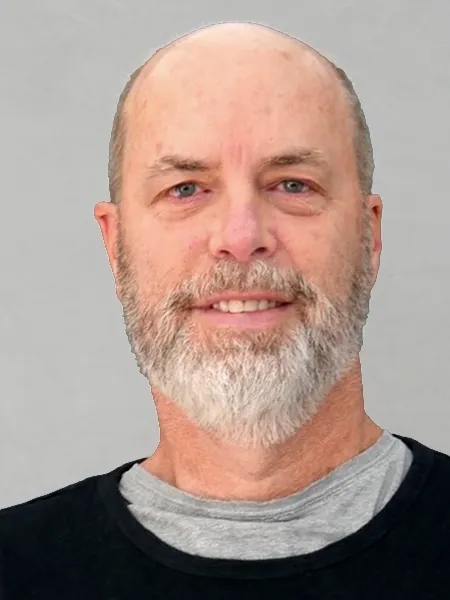
Ari Waisman
President
Affiliation
University Medical Center of the Johannes Gutenberg University Mainz
Brief biography
Ari Waisman received his PhD in 1994 from the Weizmann Institute of Science under the supervision of Prof. Edna Mozes. Afterwards he did a postdoc with Prof. Lawrence Steinman and in 1996 he moved to Cologne, Germany, for a postdoc position with Prof. Dr. Klaus Rajewsky. In 2001 he became an independent group leader in the Institute of Genetics in Cologne. In April 2005 Ari Waisman moved to Mainz as he was nominated an Associate Professor for Pathophysiology. He became the Head of the Institute for Molecular Medicine in the University Medical Center Mainz in 2011. His research focus is to understand the mechanisms that lead to the development of autoimmunity with a focus on multiple sclerosis.

Manuel Friese
Vice-President
Affiliation
University Medical Center Hamburg-Eppendorf, Hamburg, Germany
Brief biography
Manuel Friese studied medicine at the Universities of Hamburg, Oxford, and University College London, receiving his MD in 2001. He completed his neurology training at the Universities of Tübingen and Hamburg, Germany. After completing his postdoctoral training at the University of Oxford, UK, from 2004 to 2008, he established his laboratory as an Emmy Noether research fellow of the German Research Foundation (DFG) at the University Medical Center Hamburg-Eppendorf (UKE). Since 2013, he has been a consultant neurologist and Professor of Neuroimmunology at the UKE, and since 2014, he has served as the Director of the Institute of Neuroimmunology and Multiple Sclerosis (INIMS), and since 2025, as Director of the Center for Molecular Neurobiology Hamburg (ZMNH). His laboratory focuses on the inflammatory and neurodegenerative aspects of neuroimmunological and neuroinfectious diseases.

Christine Stadelmann-Nessler
3rd Chairperson
Affiliation
University Medical Center Göttingen, Göttingen, Germany
Brief biography
Christine Stadelmann studied medicine at the University of Vienna, Austria, and received her MD in 1995. She completed her post-doctoral training in the laboratory of Hans Lassmann, Vienna. Thereafter, she pursued her neuropathology training at the Humboldt University in Berlin and in Göttingen, Germany. Since 2005, she has been a consultant neuropathologist at the University Medical Center Göttingen (UMG). Since 2019, she serves as the Director of the Institute of Neuropathology, UMG. The focus of her research group is on pathomechanisms of inflammatory and demyelinating diseases of the CNS with a particular interest in mechanisms of myelin regeneration and neuroaxonal damage.

Lisa Ann Gerdes
4th Chairperson
Affiliation
- Institute of Clinical Neuroimmunology, University Hospital, Ludwig-Maximilians-Universität Munich, Munich, Germany.
- Biomedical Center (BMC), Medical Faculty, Ludwig-Maximilians-Universität Munich, Martinsried, Germany.
- Munich Cluster of Systems Neurology (SyNergy), Munich, Germany.
Brief biography
Lisa Ann Gerdes finished medical school at the Universities of Heidelberg and Hamburg in 2003. Targeting a combination of a clinical focus on neurology and experimental neuroimmunology she set grounds at the Institute of Clinical Neuroimmunology in Munich in 2004. She completed her neurology training at the LMU Klinikum Munich and pursued a clinician scientist career with funding from the myLab programme of the Hertie Foundation and the Munich Cluster for Systems Neurology (SyNergy). 2021 she works as a consultant of neuroimmunology and since 2026 as a professor at the Institute of Clinical Neuroimmunology and a research group leader at the Biomedical Center. As the PI of the unique MS TWIN STUDY, which counts up to date >100 monozygotic twin pairs with discordance for MS, her research focuses on risk and triggering factors of MS as well as immune mechanisms in earliest disease stages.Since
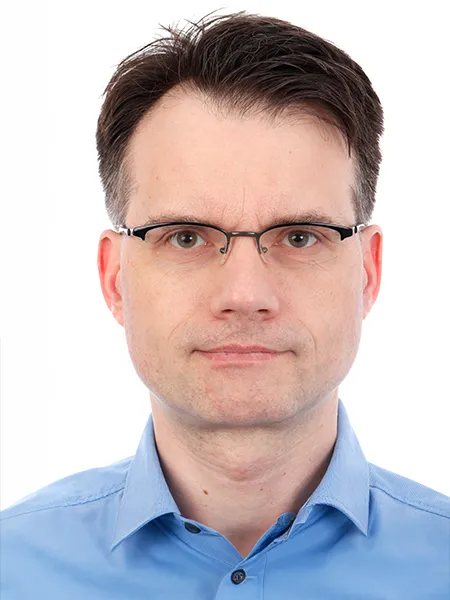
Thomas Korn
Treasurer
Affiliation
Technical University of Munich School of Medicine and Health
Brief biography
Thomas Korn studied medicine at the University of Würzburg and at Barts and the London School of Medicine. He received his MD in 2000 and completed his Neurology Residency in 2005. After a postdoctoral training at Harvard Medical School, Boston, US, from 2005 to 2008, he became a Heisenberg Professor (DFG) at the Department of Neurology at the Technical University of Munich. As of 2008, he has been a consultant in Neurology. In 2013, he was appointed Full Professor of Neurology, and in 2019, he became the Director of the newly founded Institute for Experimental Neuroimmunology at the Technical University of Munich School of Medicine and Health. His laboratory focuses on the specificity and differentiation of T cells in the context of autoimmune diseases of the central nervous system (e.g., Multiple sclerosis and Neuromyelitis optica spectrum disorders).
Advisory Board

Britta Engelhardt
Affiliation
• Professor of Immunobiology , Theodor-Kocher-Institut, Universität Bern, Schweiz
• Director, Theodor-Kocher-Institut, Universität Bern, Schweiz
• President, International Brain Barriers Society
Brief biography
Since 2003, Britta Engelhardt has been Professor of Immunobiology and Director of the Theodor Kocher Institute at the University of Bern, Switzerland. She studied Human Biology at Philipps University Marburg, Germany, and completed her PhD (Dr. rer. physiol.) in January 1991 under the mentorship of Prof. Hartmut Wekerle at the Max Planck Research Group for Multiple Sclerosis in Würzburg and the Max Planck Institute of Psychiatry in Munich, Germany. Following a postdoctoral fellowship with Eugene C. Butcher at Stanford University in California she established her own research group in 1993 at the Max Planck Institute for Physiological and Clinical Research in Bad Nauheim, Germany, in the department of Werner Risau. She obtained the Venia Legendi for Immunology and Cell Biology from the Medical Faculty of Philipps University Marburg in 1998 and subsequently led an independent research group from 1999 to 2003 at the same institute and at the Max Planck Institute for Vascular Cell Biology in Münster in the department of Dietmar Vestweber. Britta Engelhardt is an internationally recognized leader in brain barriers research, with her work focusing on the role of brain barriers in maintaining central nervous system immune privilege. Through pioneering in vitro and in vivo live-cell imaging approaches, her laboratory has made seminal contributions to elucidating the anatomical routes and molecular mechanisms by which immune cells access the CNS during immune surveillance and neuroinflammation. She has authored more than 300 highly cited publications and is a sought-after invited and keynote speaker at major international conferences. Her service to the scientific community includes coordinating major national and international collaborative networks in neuroinflammation and brain barriers research, such as Sinergia UnmetMS, ProDoc Cell Migration, JUSTBRAIN, and BtRAIN. Among numerous honors, she received the Herman-Rein Prize (with Peter Vajkoczy) for pioneering in vivo imaging of T cell migration across spinal cord microvessels, served as Vice-Chair and Chair of the Gordon Research Conference on Barriers of the CNS in 2016 and 2018, respectively, and was awarded the Malpighi Award of the European Society for Microcirculation in 2023. In 2024, she received the Keynote Lecture Award from the Journal of Comparative Pathology Education Trust (ESVP/ECVP), delivered the Camillo Golgi Lecture of the European Academy of Neurology, and was nominated to AcademiaNet. In 2025, she was honored with the Research Prize of the Swiss MS Society and awarded a prestigious ERC Advanced Grant by the European Research Council. She currently serves as President of the International Brain Barriers Society.
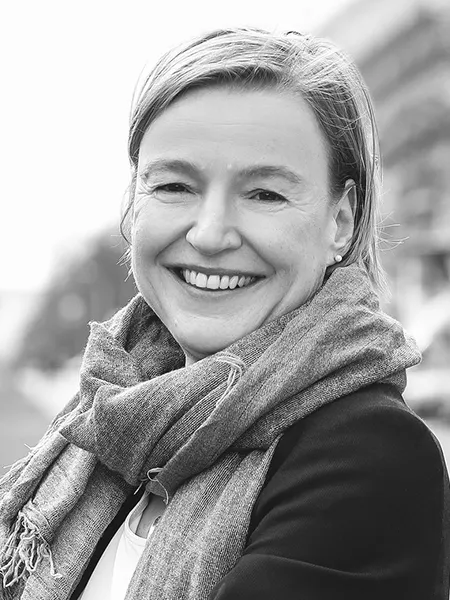
Tanja Kuhlmann
Affiliation
Institute of Neuropathology, University Hospital Münster, Münster Germany
Brief biography
Tanja Kuhlmann studied medicine at the Universitiy of Göttingen. She completed her neuropathology training at the Universities of Göttingen and Berlin, Germany. She is full professor at Institute of Neuropathology, University Hospital Münster, Germany and since 2020 part-time adjunct professor, Department of Neurology and Neurosurgery, McGill University. Her key research interest is to understand the mechanisms resulting in disease progression in MS by examining human tissue samples using classical histological as well as modern molecular technologies. Additionally, she uses iPSC and related technologies to understand the functional consequences of inflammation and selected signalling cascades on neurons and glial cell types.

Hans Lassmann
Affiliation
Center for Brain Research, Medical University of Vienna, Austria
Brief biography
Hans Lassmann studied medicine at the University of Vienna and was then trained in neuropathology at the Institute of Neurology. This scientific education was complemented by a post-doctoral training in experimental neuropathology and neuroimmunology at the New York State Institute for Basic Research in Developmental Disabilities. In 1999 he was appointed as full professor for Neuroimmunology at the Medical University of Vienna and as the founding director of the Center for Brain Research. He retired from this position in 2017 and is currently engaged as a research associate. His major research interests are in neuroimmunology and immunopathology of the central nervous system with special focus on the pathogenesis of inflammatory brain diseases, including multiple sclerosis. He has received numerous research awards, including the Charcot award, the research prize of the Sobek foundation and the Translational Medicine Prize of the Gertrud Reemtsma-Stiftung and the WFN Medal for Achievements in Neurology. He is honorary member of the Japanese and the French Neurological Societies and Member of the Austrian and the German (Leopoldina) Academies of Sciences.

Friedemann Paul
Affiliation
Charité – Universitätsmedizin Berlin and Max Delbrueck Center for Molecular Medicine Berlin, Germany
Brief biography
Friedemann Paul studied medicine at the Free University and Humboldt-University of Berlin, receiving his MD in 1999. He underwent clinical training in neurology, neurophysiology, epileptology and psychiatry in various hospitals in Berlin and research and clinical visits abroad (France, Israel, Zimbabwe), receiving his board certification in neurology in 2003. Since 2004, he has been a consultant neurologist at Charité and since 2011 a professor for clinical neuroimmunology. From 2020 to 2024 he served as Vice Dean for Clinical Research at the Faculty of Medicine at Charité and from 2018 to 2025 as Scientific Director of the Experimental and Clinical Research Center (ECRC), a jointly funded translational research institute of Charité and Max Delbrueck Center for Molecular Medicine in Berlin. His group focuses on immunopathogenesis, diagnostics and therapeutic strategies for patients with multiple sclerosis, neuromyelitis optica and myelin oligodendrocyte glycoprotein antibody-associated disease.
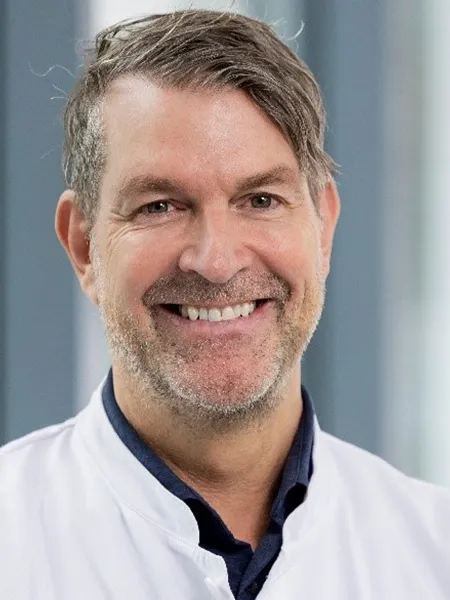
Heinz Wiendl
Affiliation
University Medical Center Freiburg, Freiburg, Germany
Brief biography
Heinz Wiendl studied medicine in Germany, Switzerland, and the USA, graduating in 1996. After working as a research fellow at the Institute of Neuroanatomy, Nuremberg, and the Max Planck Institute for Neurobiology and the Department of Neurology, Tuebingen, he became head of the clinical research group for multiple sclerosis (MS) in Wuerzburg in 2005 and acted as a vice-chair of the Department of Neurology. In 2010, he was recruited to the University Hospital Muenster as director of the Department of Neurology – Inflammatory Disorders of the Nervous System and Neurooncology. From May 2013 until September 2024, Prof. Wiendl served as head of the Department of Neurology, Muenster – to which the Institute of Translational Neurology has been associated since 2018. Prof. Wiendl is head of the Department of Neurology and Neurophysiology in Freiburg since October 2024. His research focuses on inflammatory neurodegeneration and immune regulation and protection as well as monitoring MS and its therapy.
Optional
His achievements have been recognized by both Sobek awards of the German Society for MS (DMSG) (2004; 2015). In 2017, he was appointed Honorary Professor at Sydney Medical School and in 2020 he received an honorary doctorate from the Medical Faculty of Masshad/Iran.
Heinz Wiendl is a member of numerous scientific and academic advisory boards and expert panels. He serves on the editorial boards of international scientific journals in the fields of neurology, neuroscience, and immunology. He also serves on the boards of societies, foundations, and project promoters. Heinz Wiendl is the president of the International Society of Neuroimmunology (ISNI) and the spokesperson for the disease-related competence network Multiple Sclerosis (KKNMS). He is also the founder and principal investigator of the prestigious “Body and Brain Institute” in Münster, which is funded by the German Federal Ministry.
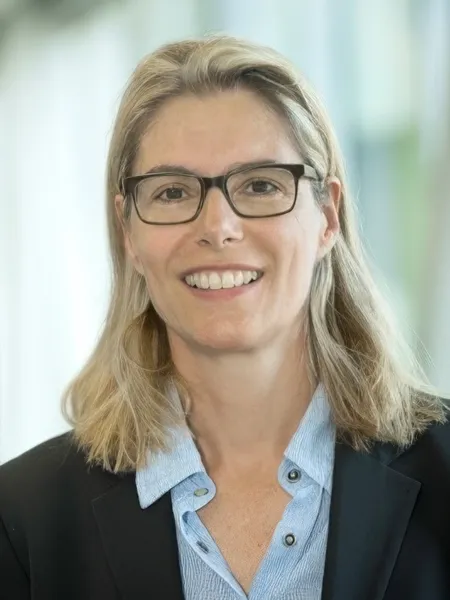
Frauke Zipp
Affiliation
University Medical Center of the Johannes Gutenberg University Mainz
Brief biography
As clinician scientist Frauke Zipp is focused on effector mechanisms, including biomarkers and repair during brain pathologies involving inflammation such as in multiple sclerosis, stroke and aging, and particularly the delicate balance between the immune and nervous systems in health and disease.
Apart from participating in several executive committees and advisory boards (such as ECTRIMS, IMSGC, MSIF, ISNI, KKNMS, journals) and reviewing for international journals, research agencies as well as research and clinical societies, she has published in, e.g., Lancet, Cell, Science and Nature journals, Immunity and others. Frauke Zipp has chaired international conferences as well as is member of the National Academy of Sciences Leopoldina and the European Academia Europaea.
She contributed to her University´s excellence status (approved 2026 by the German Research Foundation, DFG, competitive international evaluation), is the founding spokesperson of three trans-regional collaborative research centers funded by the DFG and, together with four colleagues, founding member of a DFG excellence cluster (NeuroCure, Charité Berlin). Not only through these networks but also in women scientist networks and through direct mentorship, Frauke Zipp has mentored several female scientists and young investigators who are in leading positions in medicine.
Translational work has always been her motivation and allows for successful research as well as patients´ treatment. Frauke Zipp has performed duties in trial steering committees and data safety monitoring boards by the pharmaceutical industry and in academic clinical trials. The translational guiding principal does not only influence her own work, but also the work of all professors recruited to the Neurology Department over the past years.
Administrative Office